Hand-drawn Heart: A Font Full of Love
There I was, staring at a blank brand board, trying to figure out how to make a small café feel warm and inviting. The client wanted something that felt personal, like the kind of place where you could imagine the owner waving from behind the counter. That’s when I pulled out the Hand-drawn Heart dingbats font. It wasn’t just a font—it was a mood booster, a visual whisper of affection that could bring a whole brand to life.
What Is Hand-drawn Heart?
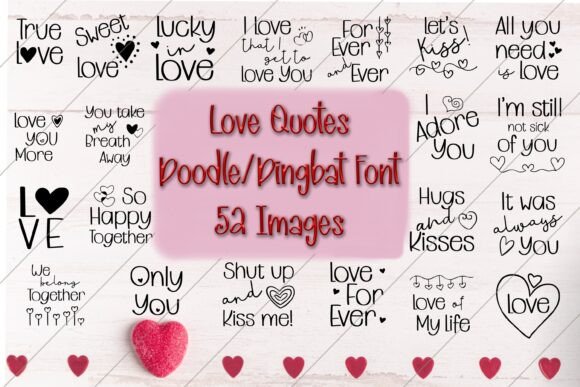
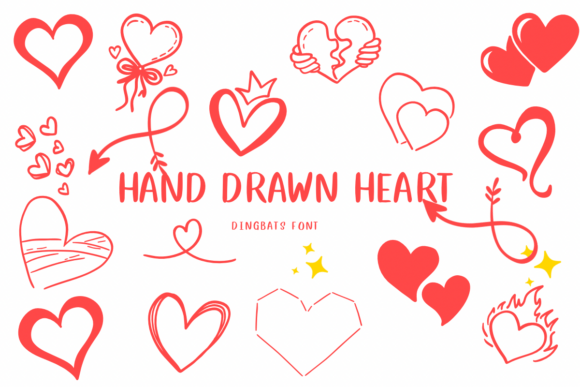
Hand-drawn Heart is more than just a collection of heart illustrations. It’s a typeface designed for those moments when you want to add a little extra flair without going overboard. Each heart has its own personality—some are bold and confident, others are delicate and whimsical. It’s like having a set of tiny, handcrafted tokens that can be used anywhere in your design work.
The font feels organic, as if it was sketched on the back of a napkin during a late-night brainstorming session. It’s not perfect, but that’s part of its charm. It adds a human touch, making designs feel more approachable and authentic.
Using Hand-drawn Heart in Real Projects
I started by testing it on a logo draft. The café needed a name that felt cozy, and the Hand-drawn Heart fit perfectly next to a simple serif font. It wasn’t overpowering, but it added that subtle sense of care that a brand like this needs. I placed a few hearts around the text, and suddenly the whole thing felt more alive.
As I moved into packaging design, the font really shone. On a coffee bag, it worked as a small accent near the product name. On a label sticker, it became a focal point, drawing the eye and adding a touch of personality. It didn’t need to be large or bold—it just had to be there, like a friendly reminder that this was a place made with love.
When to Use Hand-drawn Heart
This font isn’t meant for body text. It’s a display font, a headline font, a logo font. It works best when used sparingly, as an accent or a highlight. In a brand system, it can be used to reinforce key messages, like “Handmade” or “Local,” without overwhelming the overall design.
I found that it pairs well with clean, modern typography. A sans serif font can balance the softness of the Hand-drawn Heart, creating a contrast that feels both professional and personal. It also works well with script fonts, especially when you want to add a bit of elegance without being too ornate.
Testing Before You Commit
Before finalizing any project, I always test a font in multiple contexts. I tried the Hand-drawn Heart on a shop sign, a business card, and even a homepage hero section. Each time, it brought a different energy to the design. On a sign, it felt playful; on a card, it felt intimate; on a website, it felt welcoming.
One thing to note is that the font includes various styles and alternates. This means you can mix and match hearts to create unique visual elements without repeating the same shape over and over. It’s a small detail, but it makes a big difference in keeping a design fresh and engaging.
Designing with Heart
When working with clients, I often emphasize the importance of consistency. The Hand-drawn Heart helps with that, but only if used thoughtfully. It’s easy to go overboard, but I’ve found that using it once or twice per design element keeps it feeling natural and effective.
For social media graphics, it’s a great way to add a personal touch. Whether it’s a post about a new menu item or a holiday promotion, the font adds a sense of warmth that can make a big difference in audience engagement. It’s not just a font—it’s a tool for storytelling.
Practical Tips for Using Hand-drawn Heart
If you’re planning to use this font in a commercial project, check the licensing details. Most dingbats fonts come with clear guidelines, but it’s always good to confirm. Also, consider the file formats available—whether you need them for web, print, or digital use.
When pairing with other fonts, think about the message you want to convey. If the brand is modern and sleek, a minimalist approach with the Hand-drawn Heart as an accent can work wonders. If it’s more traditional, you might lean into a serif font for balance.
Finally, don’t be afraid to experiment. The beauty of the Hand-drawn Heart is that it’s versatile enough to fit into many different design scenarios. Whether you’re working on a logo, a packaging concept, or a social media campaign, it’s a font that can help you express emotion through typography.